Bringing Chinese Culture Closer to Sri Lanka’s Younger Generation
With the aim of introducing the unique characteristics and traditional values of Chinese culture to Sri Lanka’s younger generation, the Association Of Sri Lanka China Social and Cultural Cooperation has been organizing and conducting a series of programmes at the school level for several years. These programmes include awareness sessions and practical activities covering Chinese calligraphy, Chinese paper cutting, handicrafts, sculpture, clay pot painting, as well as China’s world renowned tea culture.
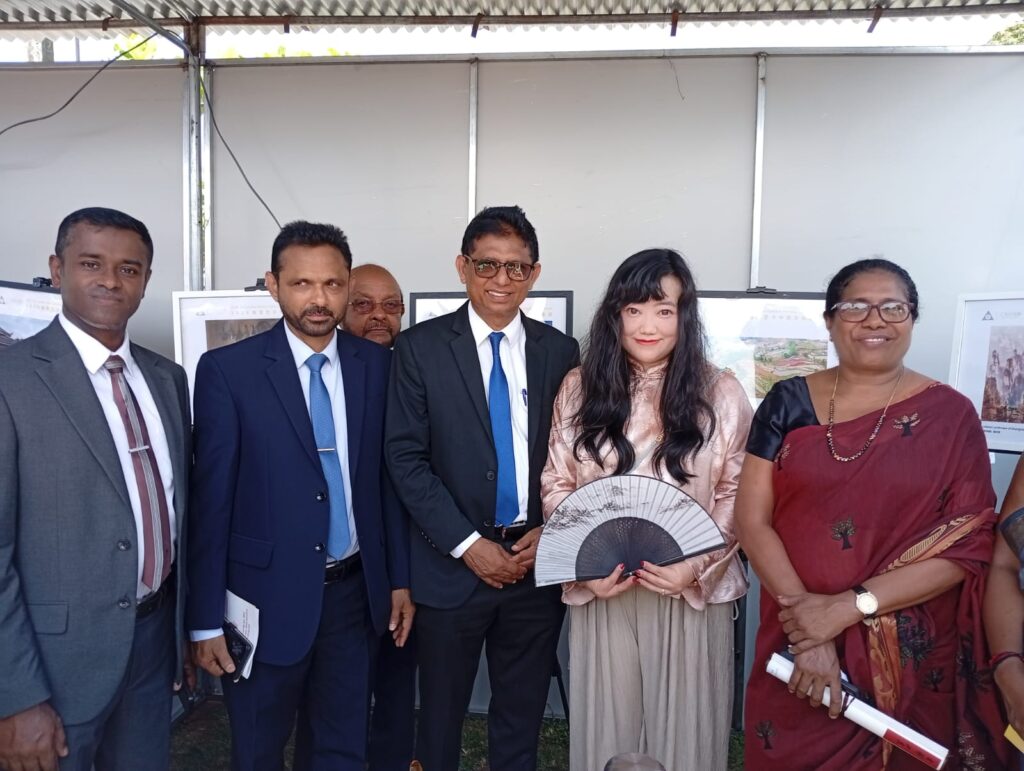
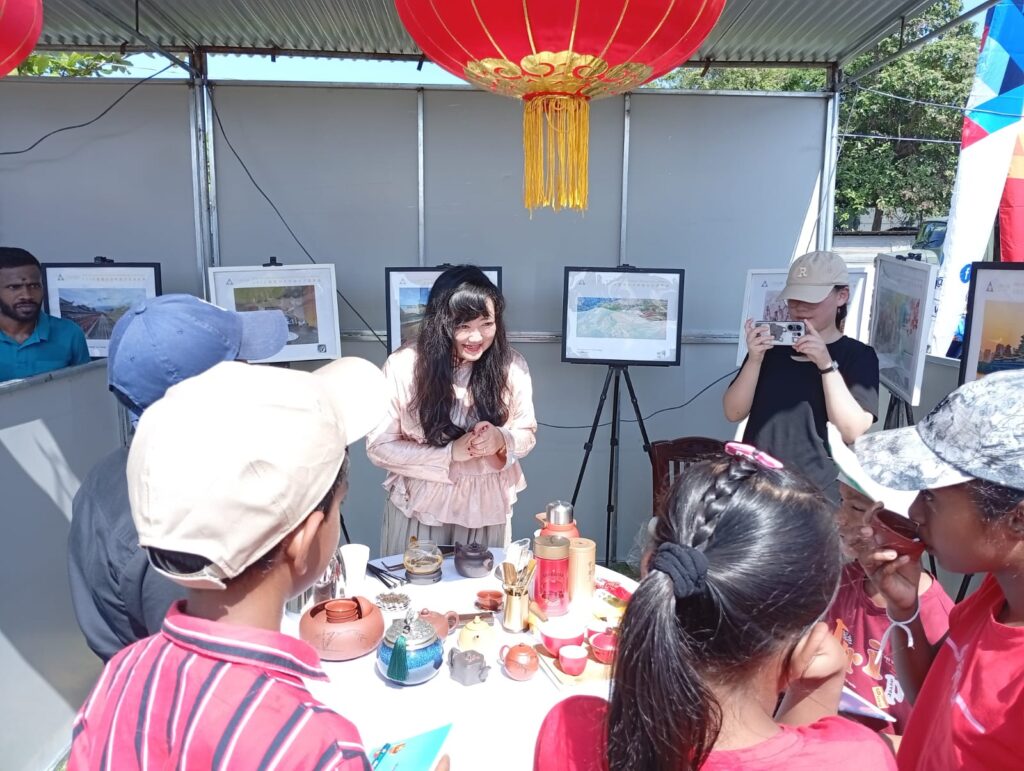
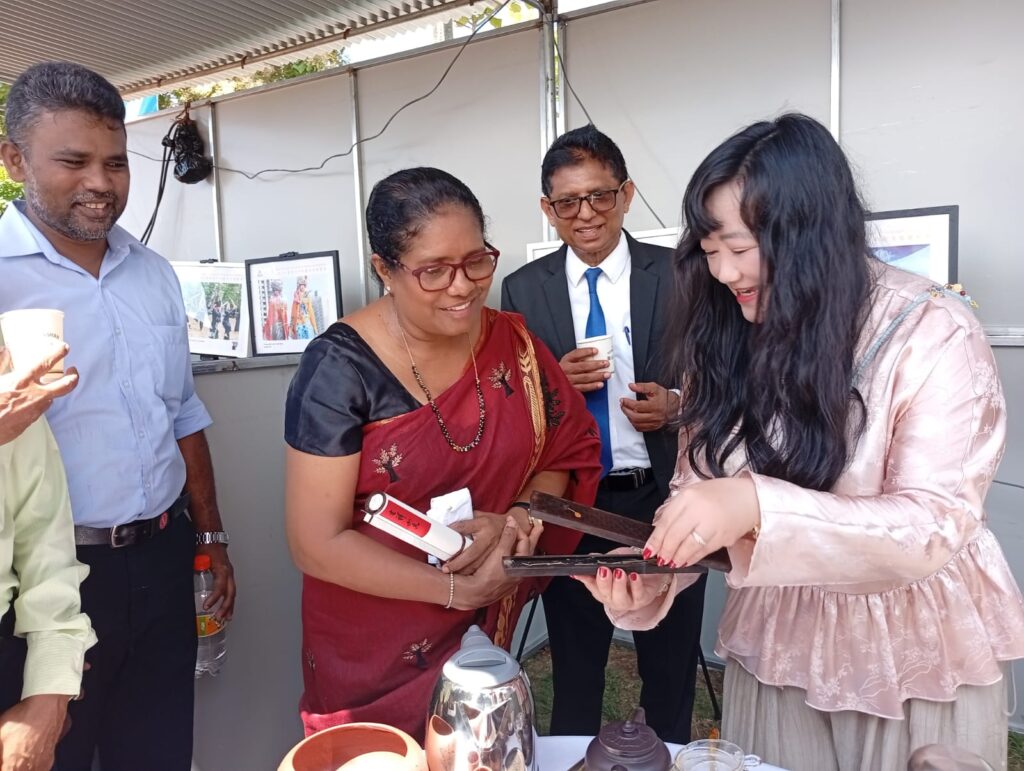
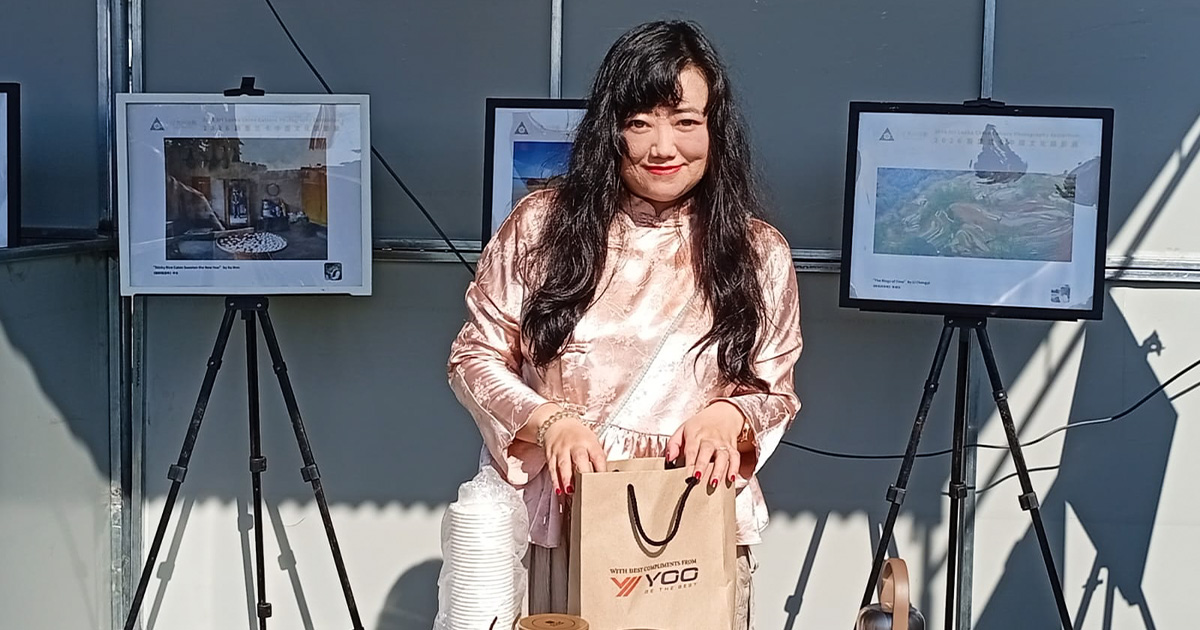
A young woman has made a special contribution to this series of programmes. Her Chinese name is Zheng Xinyun, while Sri Lankan schoolchildren and many others know her by her Sinhala name, “Olu.”
Born in Kunming, China, Olu came to Sri Lanka around 15 years ago to further pursue her higher education in Sinhala language. Olu first studied sinhala language from Beijing Foreign Language University where she completed her Bachelors Degree (Sinhala) and Masters Degree (International Chinese Language Education) both at same university and today, she speaks Sinhala fluently and continues to make a significant contribution to communication and cultural understanding between China and Sri Lanka.
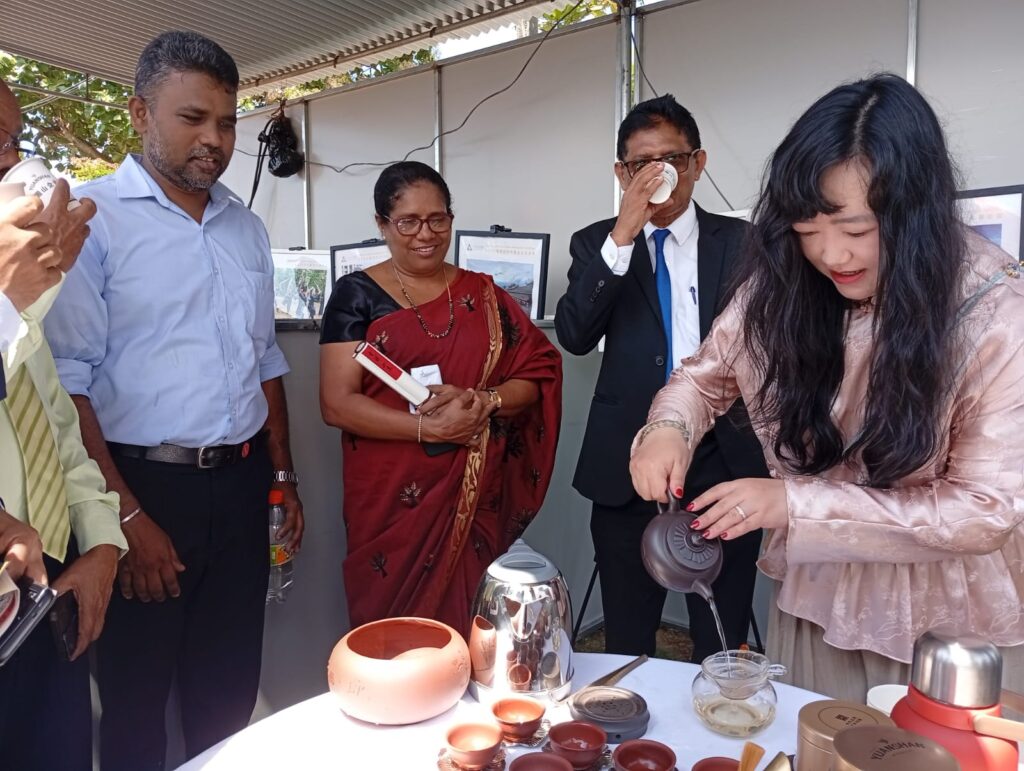
Recently, at the World Children’s Day celebration held at the S. de S. Jayasinghe Grounds in Dehiwala, Olu also took part in the programme with great dedication, serving traditional Chinese tea to children and invited guests.
Here, we bring you some further information about the traditional Chinese art of tea.
The Art of Tea in Chinese Culture
In many countries around the world, drinking tea can be identified as an important part of their respective cultures. Among these countries, China, with its large population and rich diversity of cultural traditions, holds a particularly prominent place when it comes to the “art of tea.”
China, considered the birthplace of the tea plant, has a tea culture dating back approximately 5,000 years. According to legend, the tea plant was discovered by Shennong, who is regarded as the father of medicine and agriculture. The book known as the “Shennong Herbal” is considered one of the earliest works to document the medicinal benefits of tea.
For Chinese people, tea is regarded as one of their seven basic necessities of life. They have a deep appreciation for tea and commonly drink it when entertaining friends and guests, as well as for enjoyment and relaxation.
There are several major varieties of tea consumed in China. These include green tea, red tea, white tea, oolong tea, flower tea, Pu’er tea, yellow tea and black tea.
Green tea is tea that has not undergone fermentation. It is also the type of tea that has become widely known around the world through various brands for its association with fat burning and weight management. Some famous Chinese varieties of green tea include Dragon Well Tea, Yellow Mountain Fur Peak and Green Snail Spring.
Red tea is tea that has undergone a high degree of fermentation. This type of tea is particularly popular among Sri Lankans.
Oolong tea is partially fermented. Flower tea, meanwhile, is produced by using different types of flowers to add fragrance and flavour to the tea. This is a variety of tea particularly associated with China.
Pu’er tea is tea that has been processed and shaped into blocks or cakes. This type is particularly popular among Mongolian and Tibetan communities in China.
While Sri Lankans generally drink tea to relieve thirst and tiredness, Chinese people believe that consuming tea in a beneficial and appropriate manner can contribute to good health in several ways, including aiding digestion, helping prevent or reduce certain chronic illnesses, and assisting in maintaining a healthy body weight.
Chinese tea culture also has its own unique customs and traditions. These customs vary according to different ethnic groups, geographical regions, lifestyles and religious practices.
When drinking tea with people in China, they will often refill your cup before you have completely finished your tea. This is considered a way of showing respect and hospitality. Similarly, refilling another person’s cup is regarded as a gesture of great respect.
At the same time, refusing tea can be considered extremely rude and disrespectful in certain social situations. It is therefore customary to accept at least a sip of the tea when it is offered.
Tea is also generally not consumed all at once. Instead, people traditionally take their time, enjoying the tea while engaging in friendly conversation and social interaction.
Almost every household has specialised utensils and equipment for preparing, serving and drinking tea. The use of porcelain and porcelain based utensils is also a particularly distinctive feature of traditional Chinese tea culture.
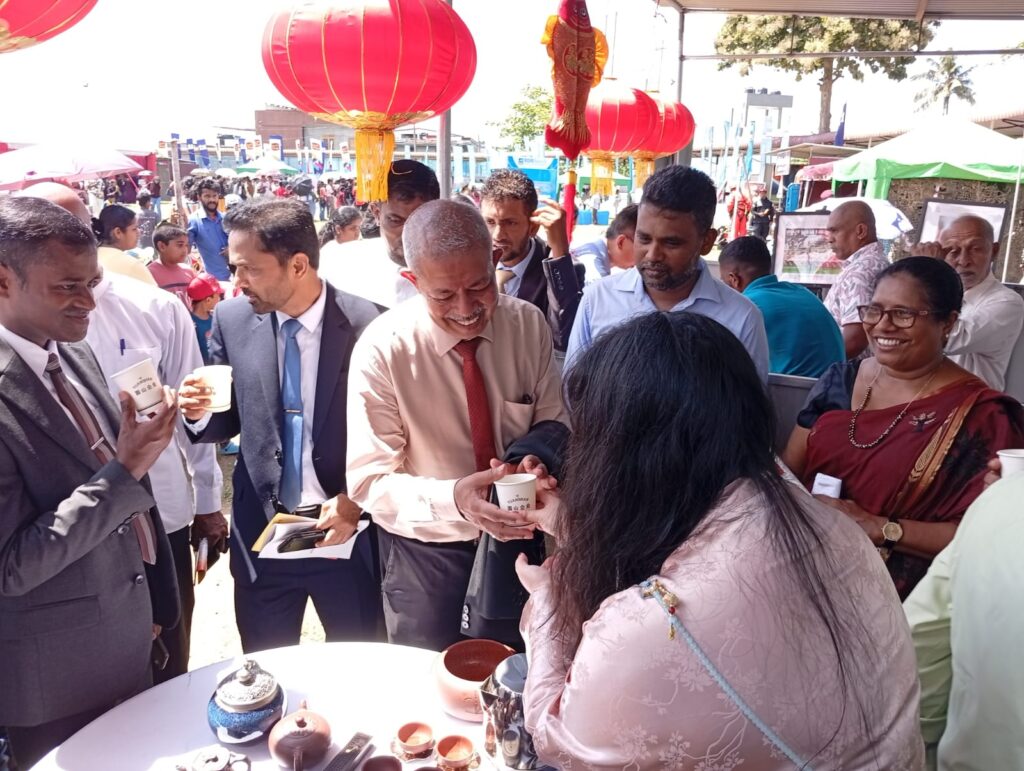
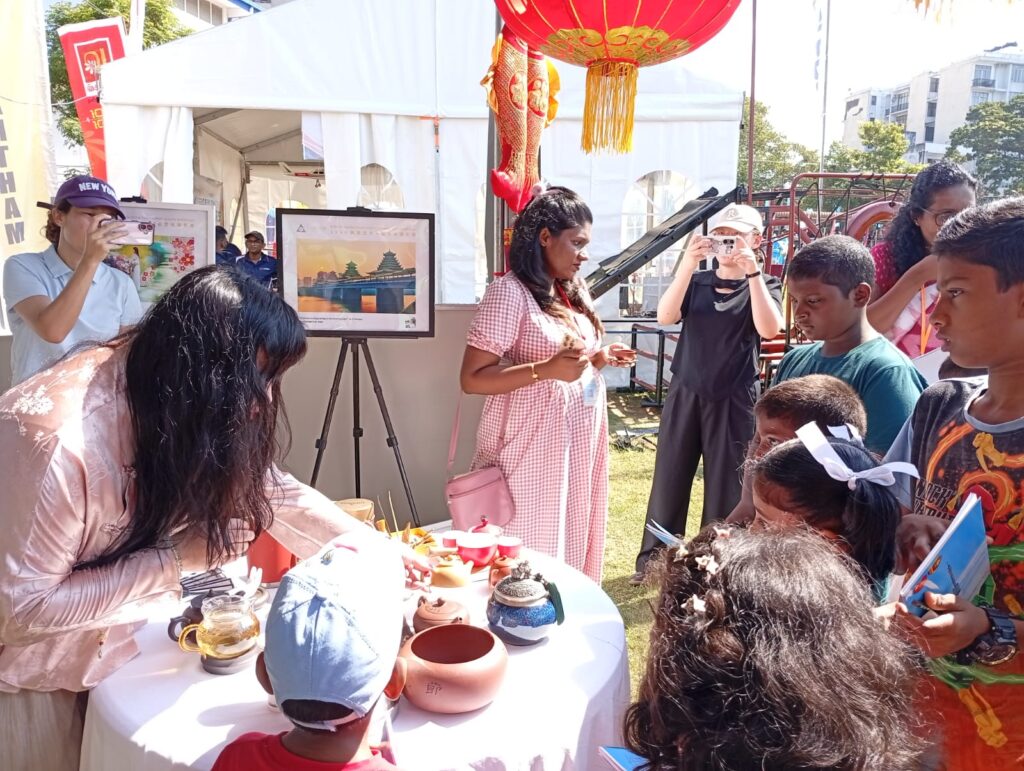
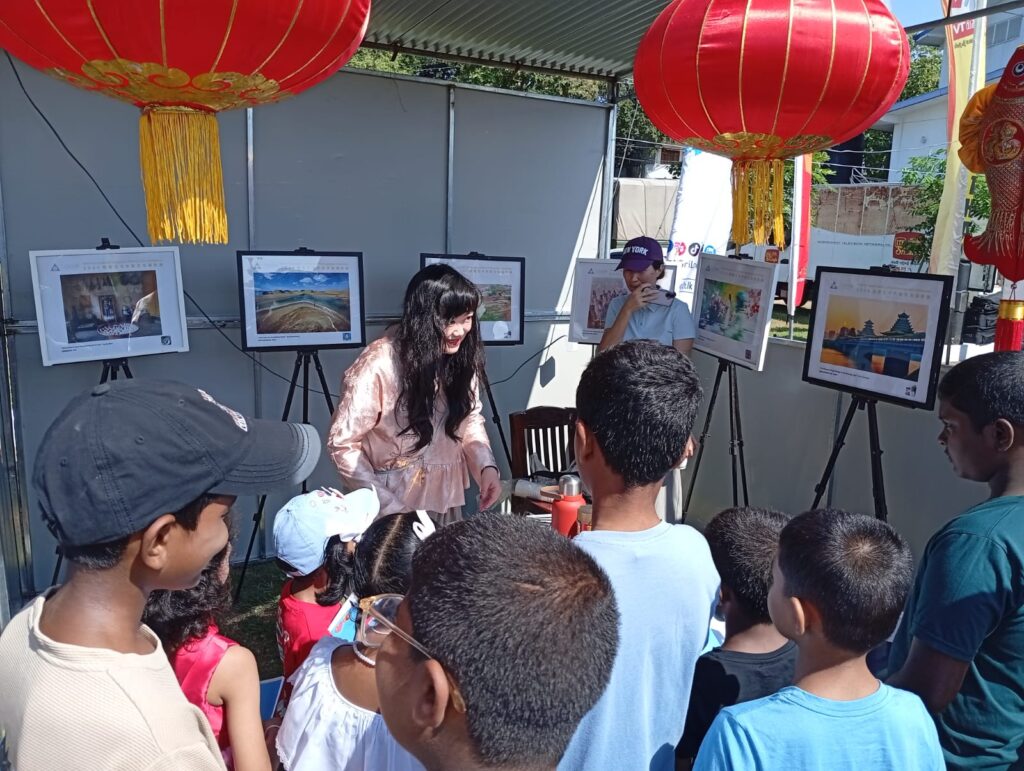
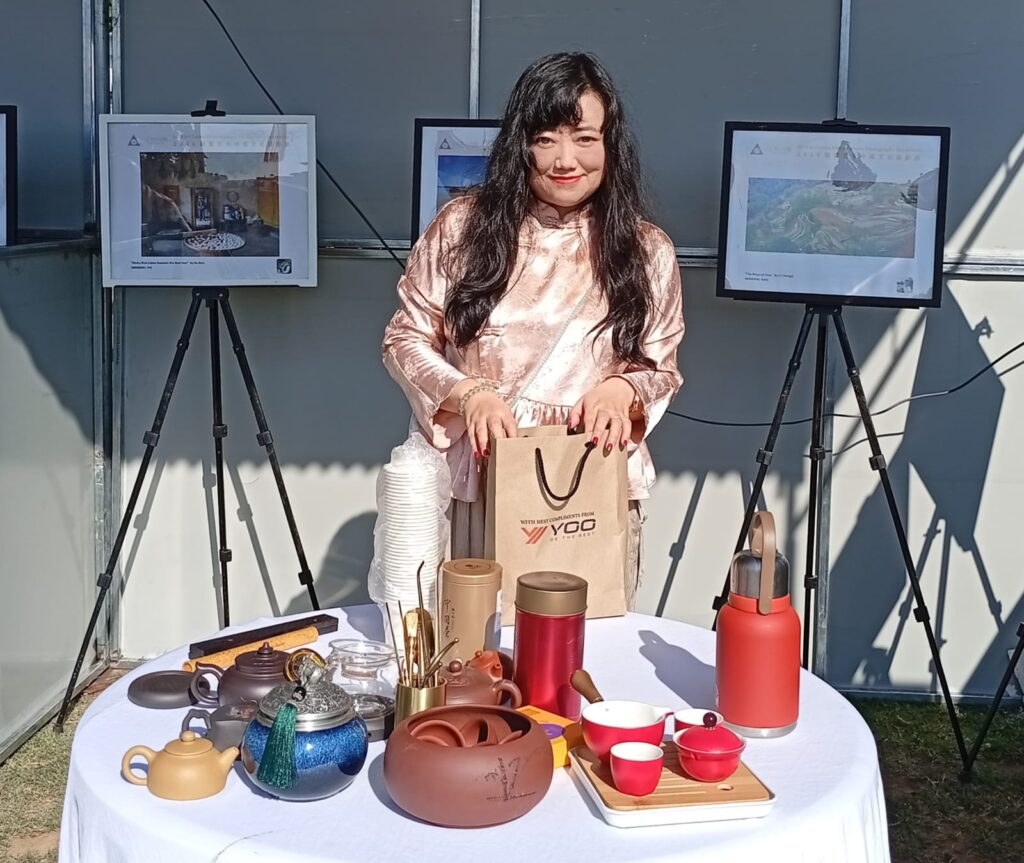
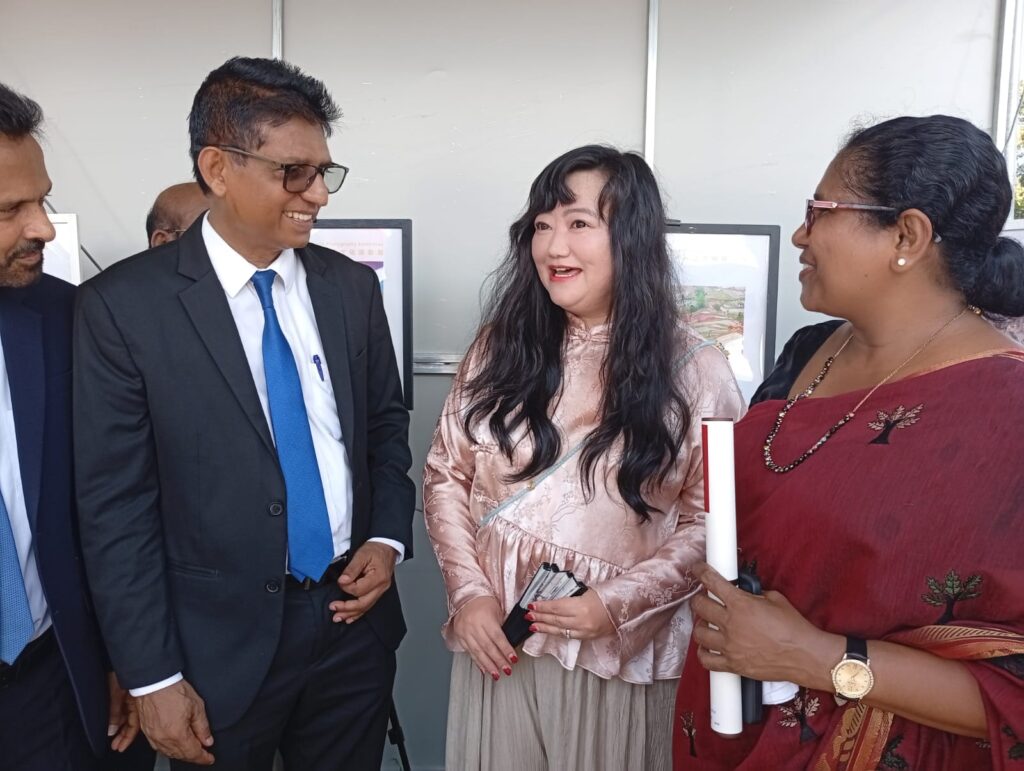
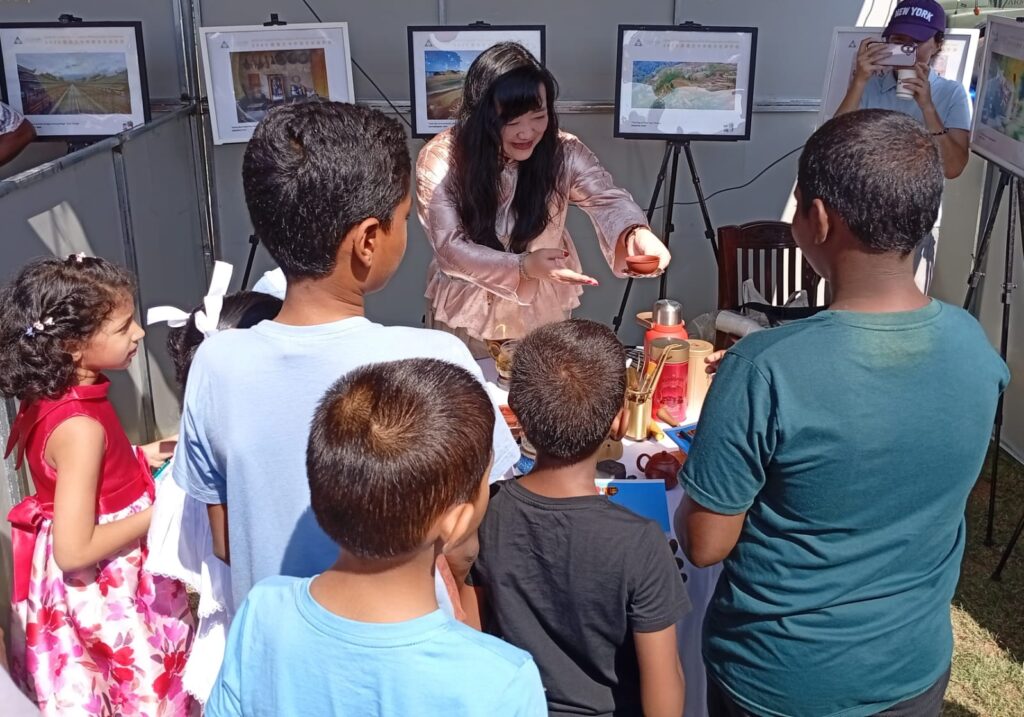
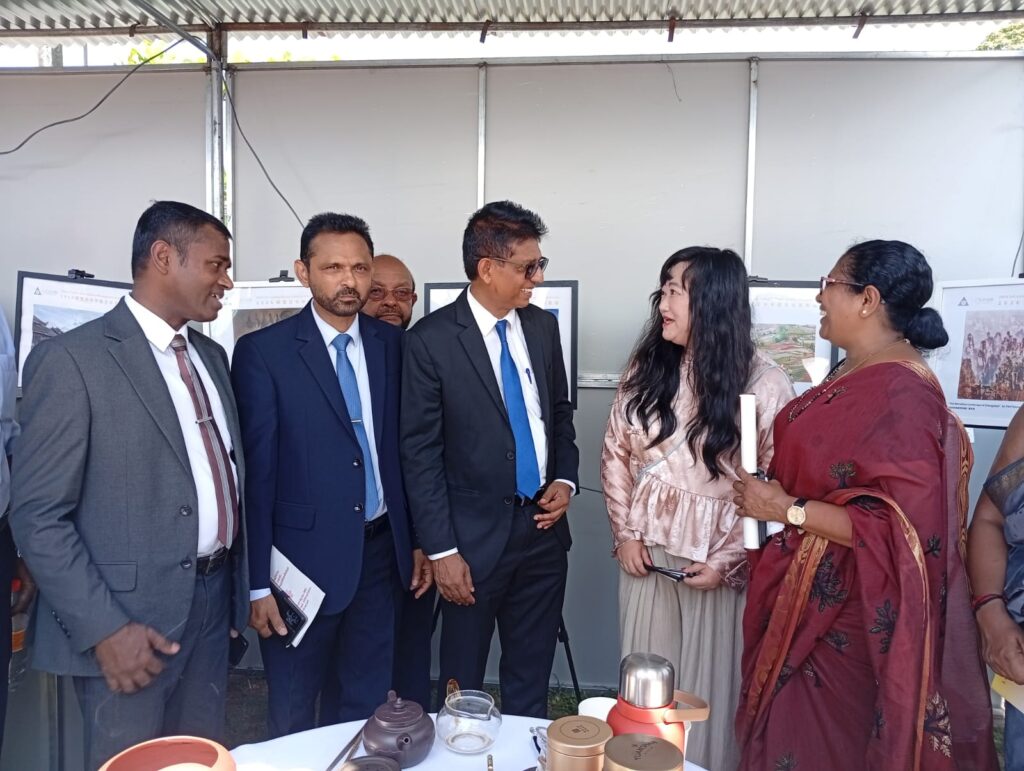
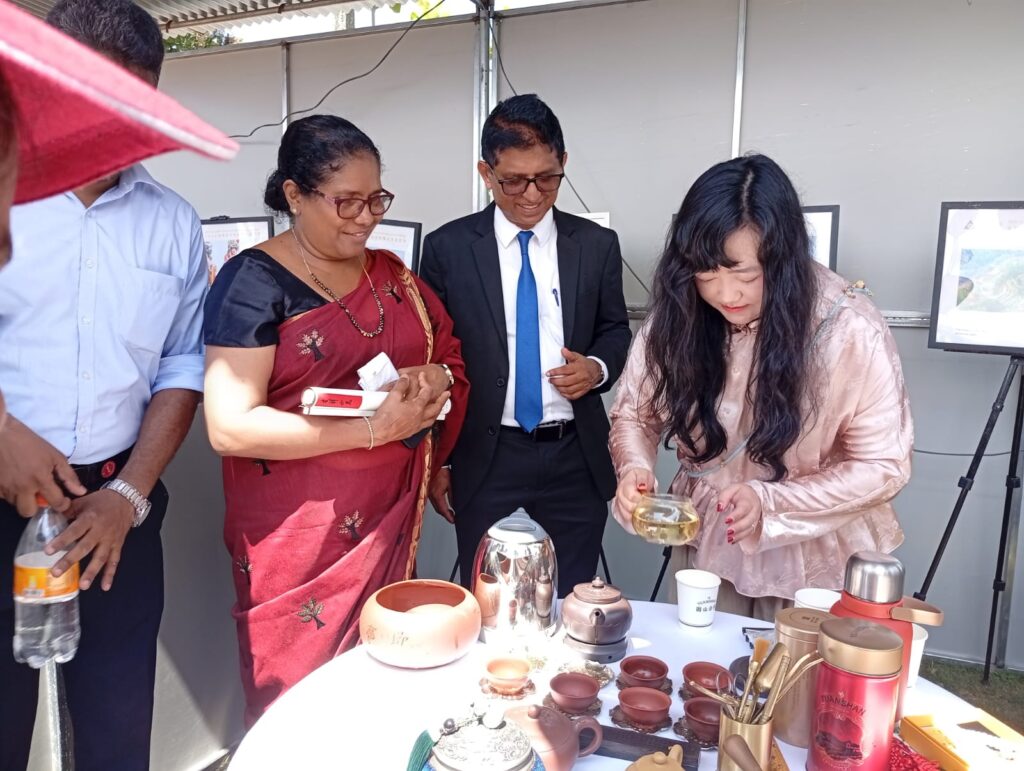
More than just a beverage, tea represents a rich tradition of hospitality, friendship and cultural identity. Through programmes such as these, traditional Chinese customs and cultural values are being introduced to Sri Lankan children in a meaningful and practical way, creating opportunities for the younger generation to learn about and appreciate the heritage of another nation.
For Olu, sharing the Chinese tea tradition with Sri Lankan children is more than simply serving a cup of tea. It is a way of building a cultural bridge between China and Sri Lanka, while creating greater understanding and friendship between the two peoples.
As these cultural exchanges continue to reach more young people, a simple cup of tea can become a symbol of friendship bringing two cultures closer together, one conversation, one tradition and one cup at a time.
Report by – Vinura Karunarathna