The Tea Forest That Has Breathed for a Thousand Years in the Dapingzhang Mountain Range
“We did not plant this forest. We only promised never to betray it.”
A Sri Lankan media team consisting of 19 members is currently on a tour in Yunnan Province, China, and today (June 14) is the 5th day of the tour.
This media tour has been organized at the invitation of the Yunnan International Communication Center for South and Southeast Asia and the coordination of the Association for Sri Lanka-China Social and Cultural Cooperation.
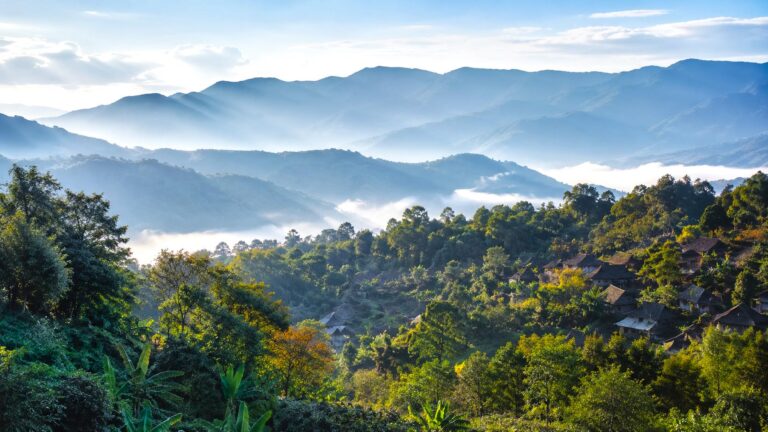
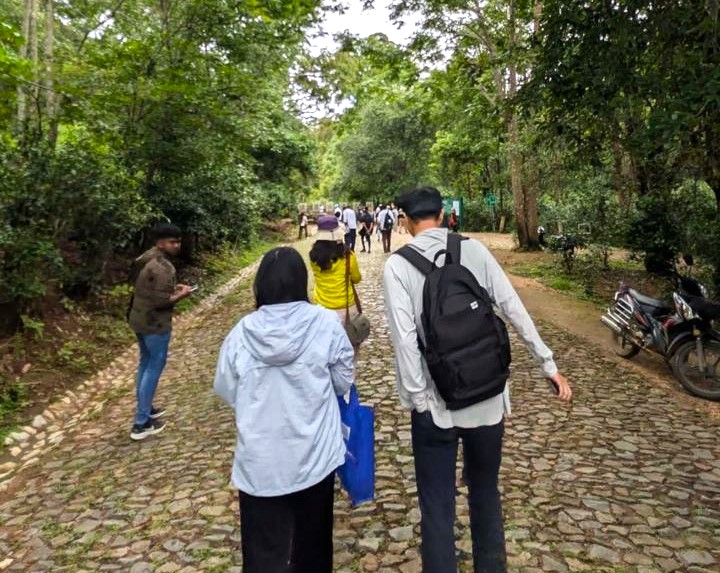
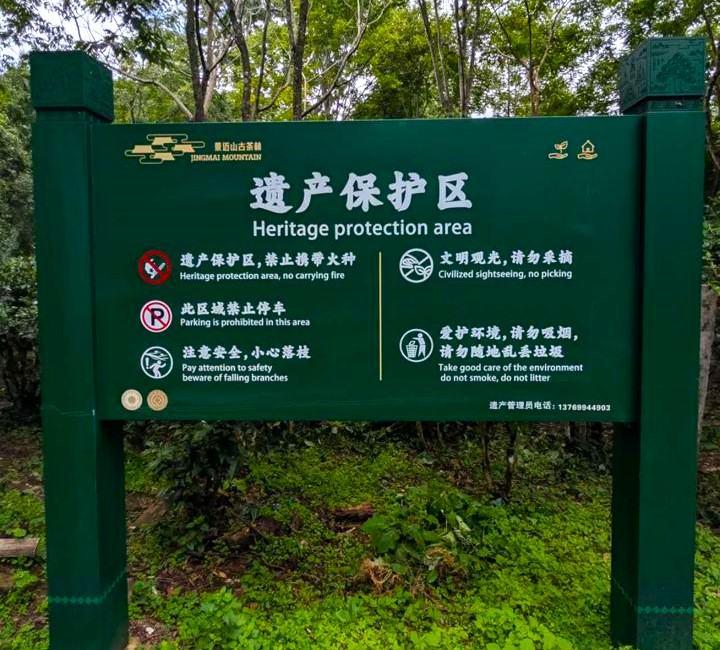
This morning, the Sri Lankan media team visited the historic Dapingzhang tea trees located in the UNESCO World Heritage Jingmai Mountain Range in China.
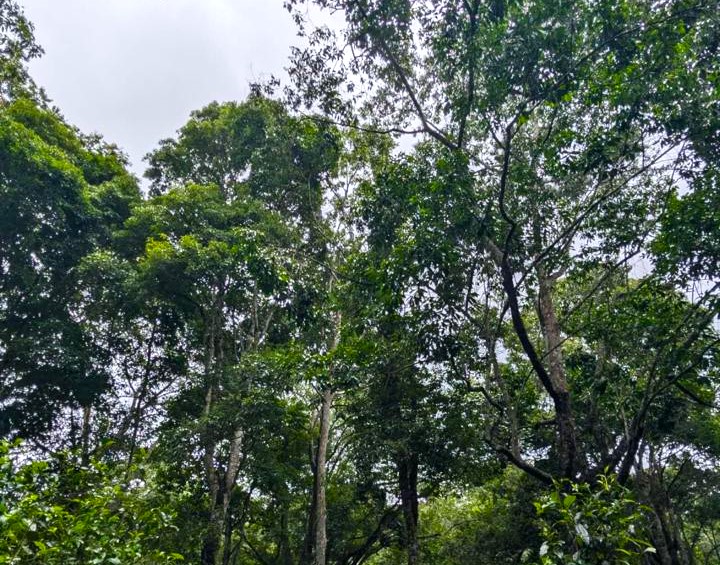
Among the tea mountains of Yunnan Province, there is a place more ancient and mysterious than any other. Its trees do not stand in orderly rows. They live as citizens of the forest. The year is 2026 AD. But if you enter the Dapingzhang forest, you are a traveler moving back to the year 699 AD.
The oral history of the Blang people tells that in that year, their ancestors migrated to Jingmai Mountain. The Dai people already lived there. Instead of war, they came to an agreement. The Dai people would be the keepers of Buddhism. The Blang people would be the keepers of the forest’s spirits. Since then, for thousands of years, tea trees and people have been bound by the same breath.
The Emperor’s Secret Remedy
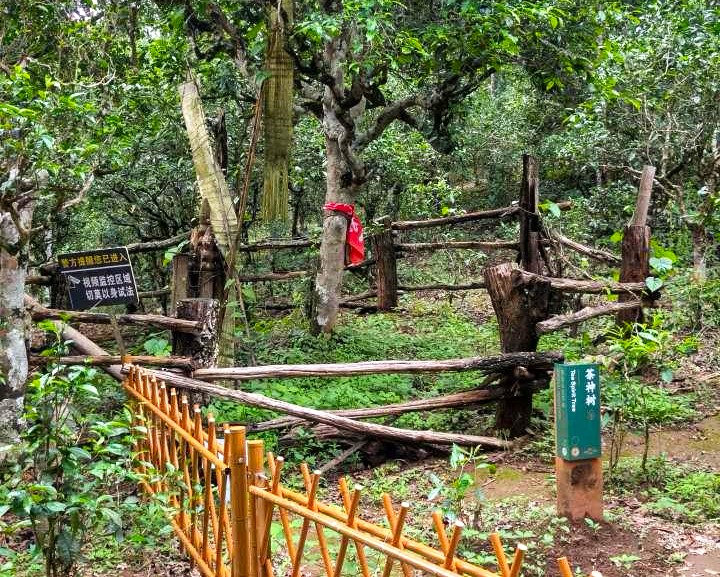
During the Ming Dynasty (1368–1644), physicians in Beijing discovered that the coarse tea from Jingmai could cure stomach ailments. But the tea sent to the emperor was never harvested from the oldest trees in Dapingzhang. Those trees were “spirit sacrifice tea.” The Blang people believed that cutting them for profit would incur the forest’s wrath.
Even during the peak of tea trade in the Qing Dynasty (1644–1912), when caravans loaded with tea bricks traveled to Tibet and Burma, the heart of Dapingzhang remained untouched. Travelers’ diaries from that time described it as “a dark, murmuring place.”
The Forest Saved from the Saw
The 20th century was cruel to Yunnan’s tea mountains. In the 1950s–70s, “modernization” campaigns ordered the replacement of old trees with high-yield tea gardens. Ancient forests fell across Xishuangbanna and Lincang.

Jingmai survived – by miracle
Local records show that in 1972, a state agricultural team arrived at Dapingzhang with saws. The Dai village head at the time, Bo Yoliang, refused. He produced a document dated 1802—a Qing official’s decree declaring the Jingmai ancient tea trees “a protected heritage of the eight border districts.”
Was it genuine? Historians debate. But the team withdrew. Today, those saw blades are embedded in a stone on the Dapingzhang path, and a few fallen trunks remain as memorials.
The Seal of the Bee God
Jingmai’s deepest historical layer is not in documents. It lives in bees.
The “Tree of the Bee God”—a colossal tree covered with over 70 wild beehives—has been sacred since at least the Yuan Dynasty (1271–1368). According to the oral traditions of the Blang and Dai people, when the Mongols came south, a general demanded that the largest tea tree be cut down. That night, his camp was surrounded by bees. He fled. The mountain was saved.
Every February, the Blang people climb to this tree—not to harvest honey, but to offer rice and banana leaves. Modern agronomists have confirmed: Dapingzhang needs no pesticides. Its wild pollinators create a natural equilibrium.
The UNESCO Turning Point
In 2023, Jingmai Mountain became China’s first UNESCO World Heritage tea site. The citation read: “An exceptional testimony to a thousand-year-old cultivation practice where tea grows beneath natural forests.”
But ask an elder in Nugan village what changed, and he shrugs. “The outside world discovered what we already knew,” he told me. “But Dapingzhang doesn’t care about certificates. Tea trees have their own calendar.”
A Journey Through Time
Walking through Jingmai is walking through layers:
· Ming Dynasty (1368–1644): A twisted tree with axe marks from a 17th-century border war embedded in its trunk.
· Qing Dynasty (1644–1912): A collapsed stone altar half-swallowed by moss—where traders from Lahu caravans deposited silver coins to thank for safe passage.
· Cultural Revolution (1966–1976): A carved Bodhisattva head, hidden in a tree hollow by a monk, now sprouting seedlings from its ears.
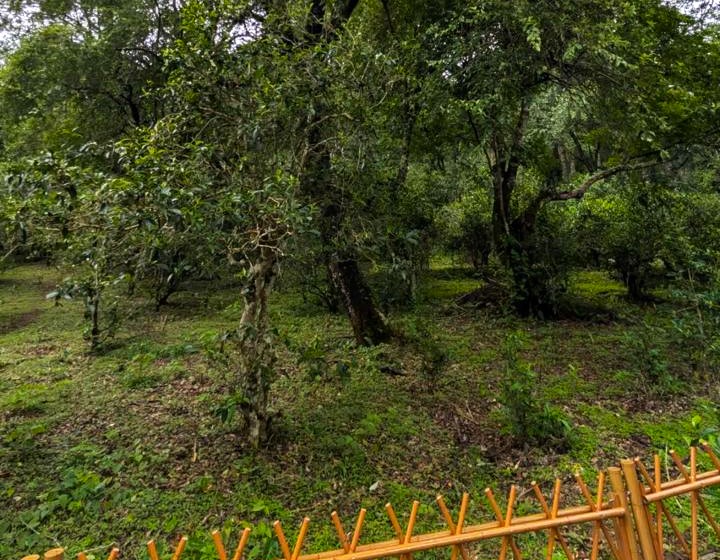
Everywhere, tea trees—neither wild nor domesticated, but something in between. Their leaves, when brewed, taste like camphor and time. Plantation teas cannot mimic this. Plantation teas only remember the season. Dapingzhang’s tea remembers dynasties.
Epilogue: The Pledge
As I was leaving, a Dai elder explained the meaning of a phrase:
“We did not plant this forest. We only promised never to betray it.”
In an age of climate change and agricultural shortcuts, that promise seems like more than superstition. It seems like the only wisdom that has worked for centuries.
China Mirror – Madushan Kularatne and Sameera Pulasthi, from the historic Jingmai Mountain terraces in Yunnan Province, China
ඩාපින්ග්චාං කඳුවැටියේ අවුරුදු දහසක් ශ්වසනය කළ තේ වනය
“අපි මෙම වනාන්තරය සිටුවූයේ නැත. අපි එයට කිසිදා පාවා නොදෙන බවට පොරොන්දු වුණෙමු පමණි.”
19 දෙනකුගෙන් සමන්විත ශ්රී ලංකා මාධ්ය කණ්ඩායම චීනයේ යුන්නාන් පළාතේ මේ දිනවල සංචාරයක නිරතව සිටින අතර අද (6/14) එම සංචාරයේ 5වන දිනයයි.
දකුණු සහ අග්නිදිග ආසියාව සඳහා වූ යුනාන් ජාත්යන්තර සන්නිවේදන මධ්යස්ථානයේ (Yunnan Inernational Commiunication Center for South and East Asia) ආරාධනයෙන් සහ ශ්රී ලංකා – චීන සමාජ හා සංස්කෘතික සහයෝගිතා සංගමයේ සම්බන්ධීකරණයෙන් මෙම මාධ්ය සංචාරය සංවිධානය කර තිබේ.
අද උදැසන ශ්රී ලංකා මාධ්ය කණ්ඩායම චීනයේ ලෝක උරුම ජින්ග්මායි කදුවැටියේ පිහිටි ඩාපින්ග්චාං (Dapingzhang) ඓතිහාසික තේ ගස් නැරඹීමට එක්වුහ.
යුනාන් පළාතේ තේ කඳු අතරින් වඩාත් පෞරාණික හා අභිරහස් තැනක් ඇත. එහි ගස් පෙළ ගැසී නොසිටිති. ඒවා වනාන්තරයේ පුරවැසියන් ලෙස ජීවත් වෙති.ක්රිස්තු වර්ෂ 2026 යි. නමුත් ඔබ ඩාපින්ග්චාං (Dapingzhang) වනයට පිවිසෙන්නේ නම්, ඔබ ක්රිස්තු වර්ෂ 699 දක්වා ආපසු ගමන් කරන්නෙකි.
ඒ වර්ෂයේදී බ්ලැන්ග් ගෝත්රිකයන්ගේ මුතුන් මිත්තන් ජින්ග්මායි කන්දට සංක්රමණය වූ බව ඔවුන්ගේ වාචික ඉතිහාසය කියයි. එහි දැනටමත් ඩායි ගෝත්රිකයෝ වාසය කළහ. යුද්ධය වෙනුවට, ඔවුන් ගිවිසුමකට එළඹුණා. ඩායි ජනතාව බුද්ධාගමේ භාරකරුවන් විය. බ්ලැන්ග් ජනතාව වනාන්තරයේ ආත්මයන්ගේ භාරකරුවන් විය. එතැන් සිට අවුරුදු දහස් ගණනක් තේ ගස් හා මිනිසුන් එකම හුස්මකින් බැඳී සිටිති.
අධිරාජයාගේ රහස් බෙහෙත
මින්ග් රාජවංශයේ දී (1368–1644), බෙයිජිංහි වෛද්යවරු සොයාගත්තේ ජින්ග්මායි හි රළු තේ ආමාශයික රෝග සුව කරන බවයි. නමුත් අධිරාජයාට යැවූ තේ කිසි විටෙක ඩාපින්ග්චාං (Dapingzhang)හි පැරණිතම ගස්වලින් නෙළා නැත. ඒ ගස් “ආත්ම පූජා තේ” විය. ඒවා ලාභය සඳහා කපා ගැනීම වනාන්තරයේ කෝපයට හේතු වන බව බ්ලැන්ග් ජනතාව විශ්වාස කළහ.
චිං රාජවංශයේ තේ වෙළඳ උච්චතම අවස්ථාවේදී පවා (1644–1912), කාර්වාන් අශ්වයන් තේ ගඩොල් පටවාගෙන ටිබෙටයට හා බුරුමයට ගමන් කළ විට, ඩාපින්ග්චාං (Dapingzhang)හි හදවත නොසෙල්වී පැවතුණි. එකල සංචාරකයන්ගේ දිනපොත් එය හැඳින්වූයේ “අඳුරු, ඝෝෂා කරන ස්ථානයක්” ලෙසයි.
කියතෙන් බේරුණු වනය
20 වන සියවස යුනාන්හි තේ කඳු සඳහා කුරිරු විය. 1950–70 දශකවලදී, “නවීකරණ” ව්යාපාර පැරණි ගස් වෙනුවට අධික අස්වැන්නක් ලබන තේ ගෙවතු සිටුවීමට නියෝග කළේය. ෂුවබන්නා හා ලින්කාන්ග් පුරා පැරණි වනාන්තර බිඳ වැටුණි.
ජින්ග්මායි බේරුණි—ආශ්චර්යමත් ලෙස.
1972 දී, රාජ්ය කෘෂිකාර්මික කණ්ඩායමක් කියත් සමඟ ඩාපින්ග්චාං (Dapingzhang) වෙත පැමිණි බව ප්රාදේශීය වාර්තා පෙන්වයි. එවකට ඩායි ගම්මුඛ්යා බෝ යොලියැන්ග් එය ප්රතික්ෂේප කළේය. ඔහු 1802 දිනැති ලියවිල්ලක් ඉදිරිපත් කළේය—චිං නිලධාරියෙකු විසින් ජින්ග්මායි පැරණි තේ ගස් “අට මායිම් දිස්ත්රික්කවල ආරක්ෂිත උරුමය” ලෙස ප්රකාශ කරමිනි.
එය සත්යද? ඉතිහාසඥයන් තර්ක කරති. නමුත් කණ්ඩායම ආපසු ගියේය. අද, එම කියත් තල ඩාපින්ග්චාං (Dapingzhang)මාවතේ ගලක සවි කර ඇති අතර, වැටුණු කඳන් කිහිපයක් මතක සලකුණු ලෙස පවතී.
මී මැසි දෙවියාගේ මුද්රාව
ජින්ග්මායි ගැඹුරුම ඓතිහාසික ස්ථරය ලියවිලිවල නොමැත. එය මී මැස්සන් තුළ ජීවත් වේ.
“මී මැසි දෙවියන්ගේ ගස”—වල් මී කූඩු 70 කට වැඩි ප්රමාණයකින් වැසී ගිය අතිවිශාල ගසක්—අවම වශයෙන් යුවාන් රාජවංශයේ සිට (1271–1368) පූජනීය වේ. බ්ලැන්ග් හා ඩායි සුලු ජාතික ජනයාගේ වාචික සම්ප්රදායට අනුව, මොන්ගෝලියානුවන් දකුණට පැමිණි විට, ඔවුන්ගේ ජෙනරාල්වරයෙකු විශාලතම තේ ගස කපා දමන ලෙස ඉල්ලා සිටියේය. එ රාත්රියේ ඔහුගේ කඳවුර මී මැස්සන් විසින් වට කරන ලදී. ඔහු පලා ගියේය. කන්ද බේරුණි.
සෑම පෙබරවාරි මාසයකම බ්ලැන්ග් ජනතාව මී පැණි කපා ගැනීමට නොව, බත් හා කෙසෙල් කොළ පූජා කිරීමට මෙම ගස වෙතට නගිති. නවීන කෘෂි විද්යාඥයින් තහවුරු කර ඇත: දැහැන්ග්ජාන්ට පළිබෝධනාශක අවශ්ය නොවේ. එහි වල් පරාගකාරක ස්වභාවික සමතුලිතතාවයක් නිර්මාණය කරයි.
යුනෙස්කෝ හැරවුම් ලක්ෂ්යය
2023 දී, ජින්ග්මායි කන්ද චීනයේ පළමු යුනෙස්කෝ ලෝක උරුම තේ ස්ථානය බවට පත් විය. උපුටා දැක්වීම මෙසේ විය: “තේ ස්වභාවික වනාන්තර යට වැවෙන වසර දහසක් පැරණි වගා ක්රමයට සුවිශේෂී සාක්ෂියකි.”
නමුත් නුගන් ගම්මානයේ මහල්ලෙකුගෙන් වෙනස් වූ දේ අසන්න, ඔහු උරහිස් හකුළයි. “පිටත ලෝකය අප දැනටමත් දැන සිටි දේ සොයා ගත්තා,” ඔහු මට කීවේය. “නමුත් දැහැන්ග්ජාන් සහතිකපත් ගැන සැලකිලිමත් නොවේ. තේ ගස්වලට තමන්ගේම දින දර්ශනයක් ඇත.”
කාලය හරහා ගමනක්
ජින්ග්මායි හරහා ඇවිදීම යනු ස්ථර හරහා ඇවිදීමයි:ෙ
· මින්ග් රාජවංශය (1368–1644): විකෘති වූ ගසක්, එහි කඳේ 17 වන සියවසේ මායිම් යුද්ධයක පොරෝ සලකුණු ඇත.
· චිං රාජවංශය (1644–1912): පාසිවලින් අඩක් ගිලී ගිය කඩා වැටුණු ගල් පූජාසනයක්—ලාහු කාර්වාන්වල වෙළඳුන් ආරක්ෂිත ගමනට ස්තුති වශයෙන් රිදී කාසි තැන්පත් කළ තැන.
· සංස්කෘතික විප්ලවය (1966–1976): කැටයම් කළ බෝධිසත්ත්ව හිසක්, භික්ෂුවක් විසින් ගස් කුහරයක සඟවා, දැන් එහි කන්වලින් පැළ පැල වේ.
සෑම තැනකම තේ ගස්—වල් හෝ ගෘහාශ්රිත නොවන, නමුත් අතරමැදි දෙයක්. ඒවායේ කොළ, පෙරන විට, කපුරු හා කාලය මෙන් රස වේ. වතු තේ වලට එය අනුකරණය කළ නොහැක. වතු තේ වලට ඇත්තේ සමය පිළිබඳ මතකය පමණි. දැහැන්ග්ජාන්ගේ තේ රාජවංශ මතක තබා ගනී.
උපසමාප්තිය: පූජාව
මම පිටව යන විට, ඩායි සුලු ජාතික වාක්ය ඛණ්ඩයක් එහි අර්ථය මෙසේ පැහැදිලි කරයි:
“අපි මෙම වනාන්තරය සිටුවූයේ නැත. අපි එයට කිසිදා පාවා නොදෙන බවට පොරොන්දු වුණෙමු පමණි.”
දේශගුණික විපර්යාස හා කෘෂිකාර්මික කෙටිමං යුගයක, එම පොරොන්දුව මිථ්යා විශ්වාසයකට වඩා වැඩි යමක් මෙන් පෙනේ. එය ශතවර්ෂ ගණනාවක් තිස්සේ ක්රියාත්මක වන එකම ප්රඥාව මෙන් පෙනේ.
මධුශාන් කුලරත්න සහ සමීර පුලස්ති, චිනයේ යුන්නාන් පළාතේ ඓතිහාසික ජින්ග්මායි කදුශිකරයේ සිට