The Buried Garden: How Yunnan’s Fossils Rewrote the Story of Life
“Deep in the hills of Yunnan, a 518-million-year-old time capsule is challenging everything we thought we knew about evolution”
A Sri Lankan media team consisting of 19 members is currently on a tour in Yunnan Province, China, and today (June 16) is the 7th day of the tour.
This media tour has been organized at the invitation of the Yunnan International Communication Center for South and Southeast Asia and the coordination of the Association for Sri Lanka-China Social and Cultural Cooperation.
This morning, the Sri Lankan media team visited the historic Chengjiang fossil site, Yuxi,Yunnan Province in China.
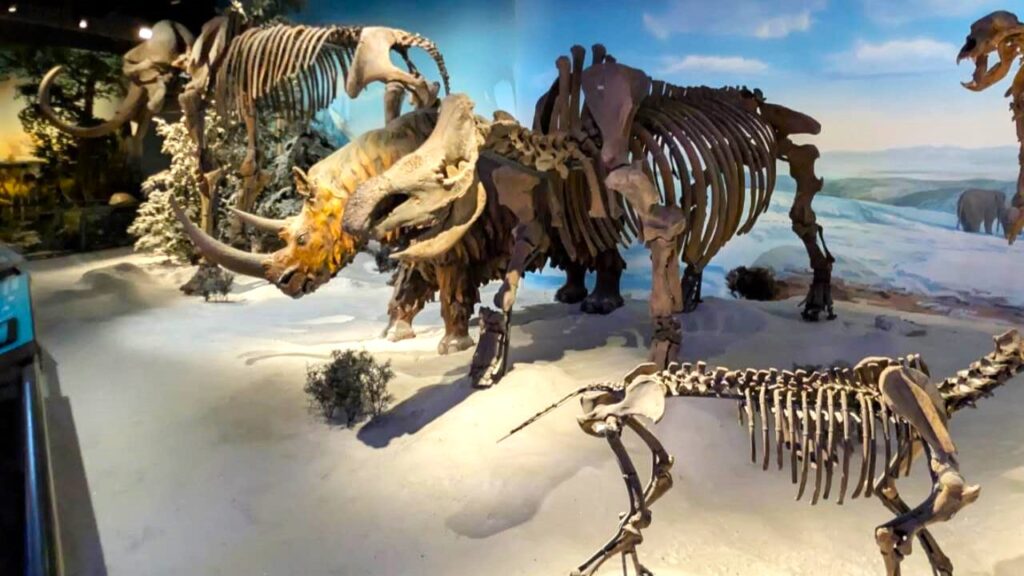
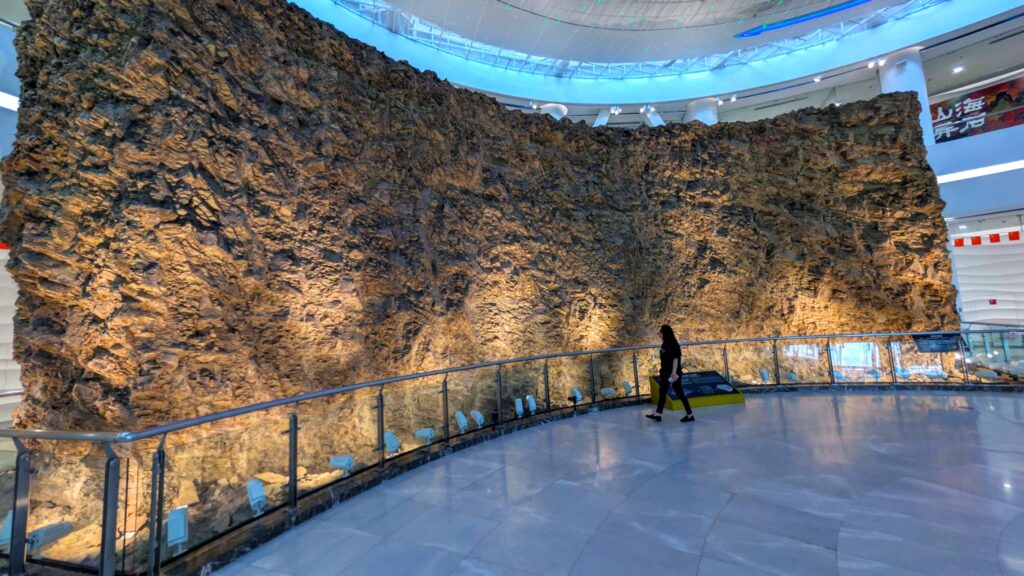
YUXI, YUNNAN – In the dusty quarry of Maotianshan, the rocks don’t look special. To the untrained eye, they are just grayish mudstones, worn down by the humid Yunnan weather. But to paleontologists, these hills are a library of the impossible—a moment frozen in deep time when the world’s oceans suddenly burst into a frenzy of life.
It was here, in 1984, that a young Chinese scientist named Hou Xianguang made a discovery that would echo through the annals of science. While splitting shale, he uncovered Naraoia, a strange, eyeless arthropod. It was a find that would eventually place Chengjiang alongside Canada’s Burgess Shale as one of the most significant fossil deposits on Earth. In 2012, UNESCO recognized this significance, naming the Chengjiang Fossil Site China’s first fossil World Heritage site.
A “Big Bang” in the Oceans
The site captures the “Cambrian Explosion”—a relatively brief period in Earth’s history (spanning roughly 20 million years) when nearly all major animal body plans suddenly appeared. What makes Chengjiang extraordinary isn’t just the variety of fossils, but their preservation.
Unlike typical fossils that only preserve hard shells and bones, Chengjiang’s fine volcanic ash and mud buried creatures so rapidly that it captured the soft tissues of jellyfish, worm guts, and even the delicate eyes of ancient shrimp. Over 300 species have been identified here, a staggering 80% of which were entirely new to science.
Among the most prized treasures is Myllokunmingia. Measuring just a few centimeters long, this tiny, fish-like creature is one of the oldest known vertebrates on the planet. It is the distant, ancient cousin of every human reading this magazine—a humble swimmer that carried the blueprint for our own backbone.
The Science of the “Spirit of Chengjiang”
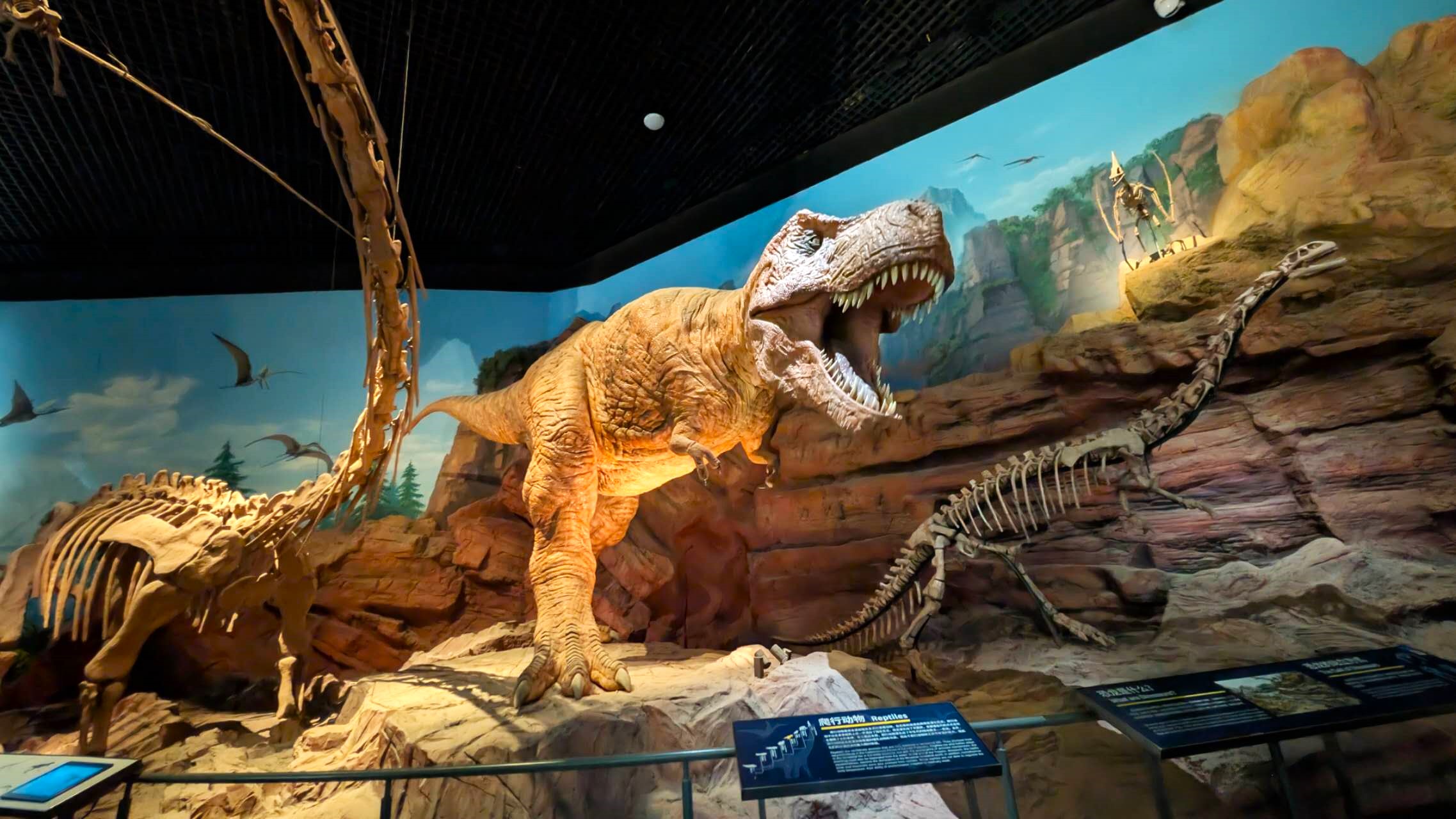
Walking through the on-site museum, visitors are greeted by the Chinese scientific community’s pride: the “Chengjiang Biota.” The preservation is so exquisite that researchers have been able to identify not just the species, but their diets and predator-prey relationships. One fossil shows a worm preserved mid-bite, its gut still containing its last meal.
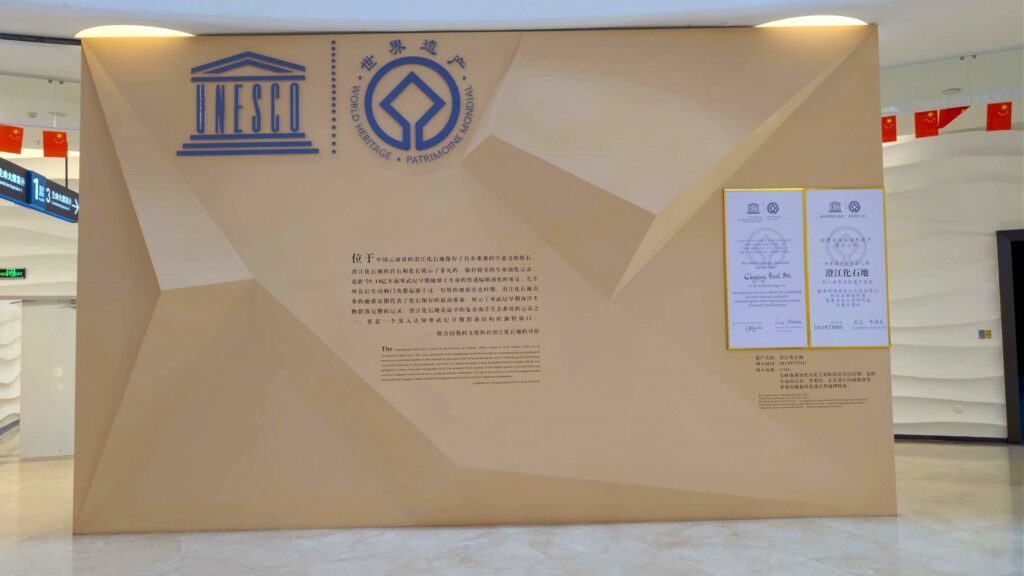
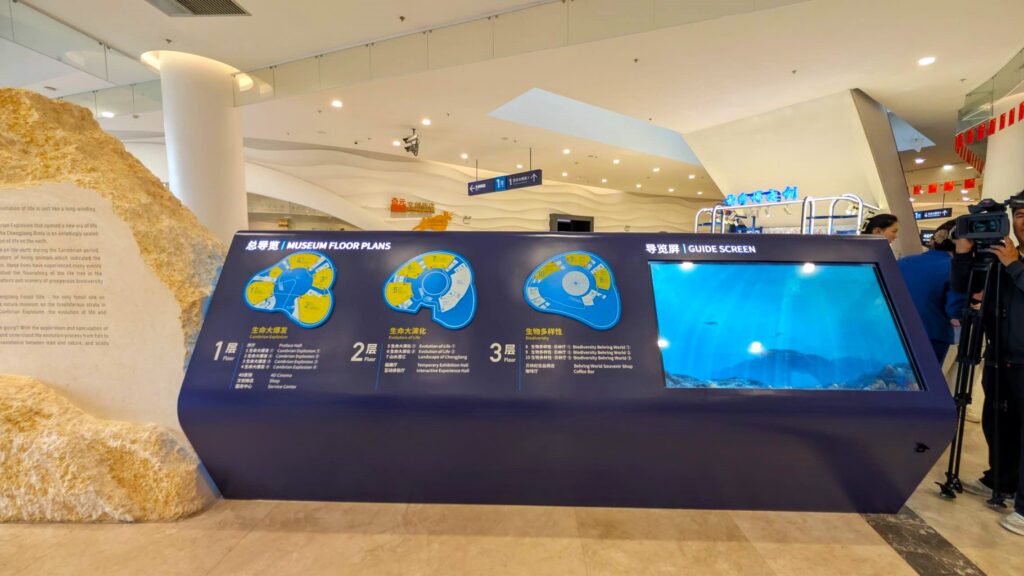
For Chinese paleontology, Chengjiang was a turning point. For decades, the world’s best fossil sites were thought to be in the West. Chengjiang proved that the cradle of complex life also lay deep within Chinese soil, sparking a renaissance in domestic geological research.
A Portal for the Public
Today, the Chengjiang Fossil Site is more than a scientific hub; it is a tourist destination bridging deep time and modern China. The new museum complex, designed to look like a cluster of weathered rocks, uses augmented reality to bring these ancient arthropods to life, swimming across the walls of lecture halls.
For the local farmers who once worked these hills, the fossils are now the backbone of eco-tourism. The site attracts geologists from Harvard, Oxford, and Tokyo, all eager to walk the same hills where the first vertebrates learned to swim.
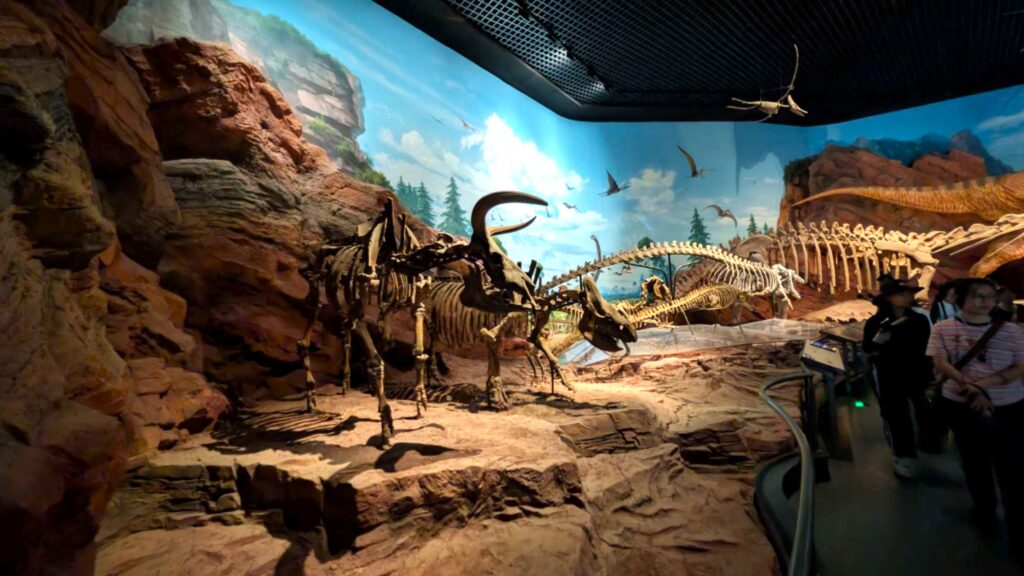
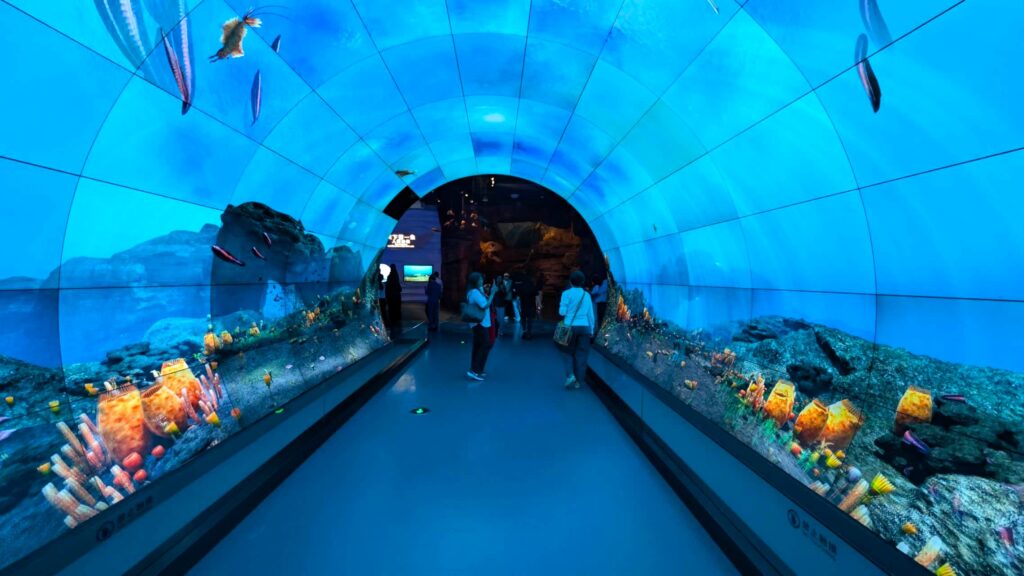
Chengjiang forces us to confront our own transience. Standing in the Yunnan hills, you realize that 518 million years ago, the world looked utterly alien—and yet, the foundations of our own biology were being laid in these shallow seas. It is not just a Chinese treasure; it is humanity’s shared property, a stone archive of the day the world woke up.
We appreciate the Chinese government and the Yunnan provincial government for preserving ancient fossils for the future.
By Madushan kularatne and Sameera Pulusthi from the historic Chengjiang fossil site, Yuxi,Yunnan Province, China.
China Mirror – 16 June 2026
වළලනු ලැබූ උයන: යුනාන් ප්රන්තයේ පොසිල ජීවයේ කතාව නැවත ලියූ ආකාරය
“යුනාන් කඳුකරයේ ගැඹුරේ, වසර මිලියන 518ක් පැරණි කාලස්ථානයක් පරිණාමය පිළිබඳ අප සිතූ සෑම දෙයක්ම අභියෝගයට ලක් කරයි”
සාමාජිකයින් 19කින් සමන්විත ශ්රී ලාංකික මධ්යෙව්දීන් කණ්ඩායමක් මේ වන විට චීනයේ යුනාන් ප්රාන්තයේ සංචාරයක නිරත වන අතර අද (ජූනි 16) එම සංචාරයේ 7වැනි දිනයයි. මෙම මධ්ය සංචාරය යුනාන් ජාත්යන්තර සන්නිවේදන මධ්යස්ථානයේ (දකුණු හා ගිනිකොනදිග ආසියාව සඳහා) ආරාධනයෙන් සහ ශ්රී ලංකා-චීන සමාජ හා සංස්කෘතික සහයෝගිතා සංගමයේ සම්බන්ධීකරණයෙන් සංවිධානය කර ඇත. අද උදෑසන, ශ්රී ලාංකික මාධ්ය කණ්ඩායම චීනයේ යුනාන් ප්රාන්තයේ, යුක්සි හි පිහිටි ඓතිහාසික චෙංජියාං පොසිල භූමිය නැරඹීය.
මාඕතියන්ෂාන් හි දූවිලි සහිත ගල්කළුවේ, පාෂාණ පෙනුමෙන් විශේෂත්වයක් නොදක්වයි. පුහුණු නොවූ ඇසකට, ඒවා යුනාන්හි තෙතමනය සහිත කාලගුණයෙන් ඛාදනය වූ අළු පැහැති මඩගල් පමණි. නමුත් පාෂාණ විද්යාඥයින්ට, මෙම කඳු යනු අසීරු දෙයක පුස්තකාලයකි—ගැඹුරු කාලයේ ශීතකරණය වූ මොහොතකි, ලෝක සාගර හදිසියේ ජීවයේ කෝලාහලයකින් පිරී ගිය කාලයකි.
1984 දී මෙතැනදීම, හෞ ෂියන්ගුවාන්ග් නම් තරුණ චීන විද්යාඥයෙකු විසින් විද්යාවේ ඉතිහාසය පුරා අනුනාද වන සොයාගැනීමක් කරන ලදී. ගල් තහඩු බෙදන අතරතුර, ඔහු නරාඕයියා නම් අමුතු, ඇස් රහිත ආත්රපෝඩාවෙකු සොයා ගත්තේය. මෙම සොයාගැනීම අවසානයේ චෙංජියාං කැනඩාවේ බර්ගස් ෂේල් හා සමානව පෘථිවියේ ඇති වැදගත්ම පොසිල තැන්පතුවක් ලෙස ස්ථාපිත කරනු ඇත. 2012 දී යුනෙස්කෝව මෙම වැදගත්කම හඳුනාගනිමින් චෙංජියාං පොසිල භූමිය චීනයේ පළමු පොසිල ලෝක උරුම අඩවිය ලෙස නම් කරන ලදී.
සාගරවල “මහා පිපිරුම”
මෙම ස්ථානය “කේම්බ්රියන් පිපිරුම” ග්රහණය කරයි—පෘථිවි ඉතිහාසයේ සාපේක්ෂව කෙටි කාල පරිච්ඡේදයක් (වසර මිලියන 20ක් පමණ විහිදෙන) එම කාලය තුළ සියලුම ප්රධාන සත්ව ශරීර සැලසුම් හදිසියේම ප්රකට විය. චෙංජියාං අසාමාන්ය කරන්නේ පොසිල ප්රභේදවල විවිධත්වය පමණක් නොව, ඒවායේ සංරක්ෂණ තත්ත්වයයි.
සාමාන්ය පොසිල දෘඩ කටු සහ ඇටකටු පමණක් සංරක්ෂණය කරන අතර, චෙංජියාං හි සියුම් ගිනිකඳු අළු සහ මඩ ජීවීන් කෙතරම් වේගයෙන් වැළලුවාද යත්, එය ජෙලිෆිෂ්වල මෘදු පටක, පණුවන්ගේ බඩවැල්, සහ පැරණි ඉස්සන්ගේ සියුම් ඇස් පවා ග්රහණය කර ගත්තේය. මෙතැනදී විශේෂ 300කට අධික ප්රමාණයක් හඳුනාගෙන ඇති අතර, ඉන් විස්මිත 80%ක් විද්යාවට සම්පූර්ණයෙන්ම අලුත් දේ විය.
ඉන් වඩාත්ම අගනා නිධානය වන්නේ මයිලොකුන්මිංගියා ය. මිලිමීටර කිහිපයක් දිගැති මෙම කුඩා, මාළුන් හා සමාන ජීවියා ග්රහලෝකයේ ඇති පැරණිතම පෘෂ්ඨවංශිකයින්ගෙන් එකකි. මෙම සඟරාව කියවන සෑම මිනිසෙකුගේම දුරස්ථ, පැරණි ඥාතියා එයයි—අපගේම කොඳු නාරටිය සඳහා සැලැස්ම රැගෙන ගිය නිහතමානී පිහිනුම්කරුවෙකි.
“චෙංජියාංහි ආත්මය” පිළිබඳ විද්යාව
ස්ථානීය කෞතුකාගාරය හරහා ගමන් කරන විට, චීන විද්යාත්මක ප්රජාවගේ ආභිමානයෙන් අමුත්තන් පිළිගනු ලැබේ: “චෙංජියාං ජෛව සමූහය.” මෙම සංරක්ෂණය කෙතරම් සියුම්ද යත්, පර්යේෂකයන්ට විශේෂ පමණක් නොව, ඒවායේ ආහාර පුරුදු සහ විලෝපික-ගොදුරු සම්බන්ධතා ද හඳුනා ගැනීමට හැකි වී ඇත. එක් පොසිලයකින් පෙන්නුම් කරන්නේ පණුවෙකු සපාකන මොහොතේදීම සංරක්ෂණය වී ඇති අතර, එහි බඩවැලේ තවමත් එහි අවසන් ආහාරය අඩංගු වේ.
චීන පාෂාණ විද්යාවට, චෙංජියාං තීරණාත්මක සන්ධිස්ථානයක් විය. දශක ගණනාවක් තිස්සේ, ලෝකයේ හොඳම පොසිල භූමි පිහිටා ඇත්තේ බටහිර රටවල යැයි සැලකිණි. චෙංජියාං ඔප්පු කළේ සංකීර්ණ ජීවයේ තොටිල්ල චීන පසෙහි ද ගැඹුරින් පිහිටා ඇති බවත්, එය දේශීය භූ විද්යාත්මක පර්යේෂණවල පුනරුදයක් ඇති කළ බවත්ය.
මහජනතාව සඳහා අතීතයට ද්වාරයක්
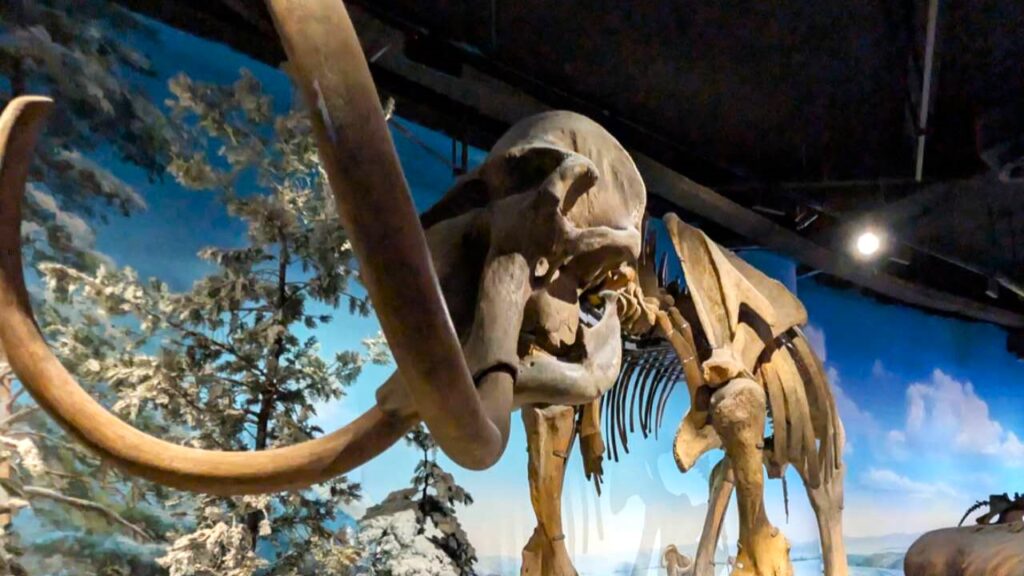
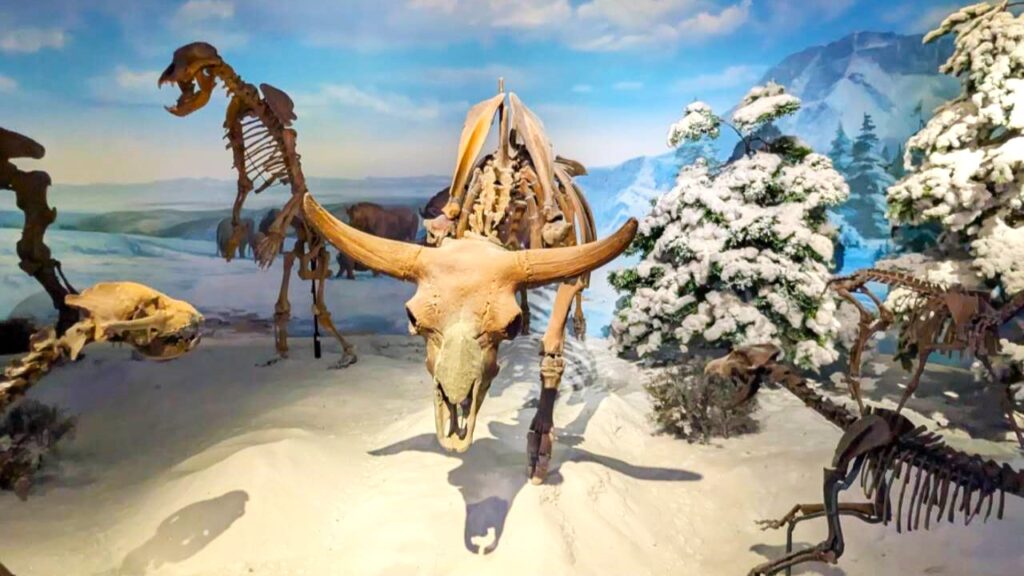
වර්තමානයේ, චෙංජියාං පොසිල භූමිය විද්යාත්මක මධ්යස්ථානයකට වඩා වැඩි යමක්; එය ගැඹුරු කාලය සහ නවීන චීනය අතර පාලමක් වන සංචාරක ගමනාන්තයකි. කාලගුණයෙන් ඛාදනය වූ පර්වත සමූහයක් මෙන් පෙනෙන ලෙස නිර්මාණය කර ඇති නව කෞතුකාගාර සංකීර්ණය, මෙම පැරණි ආත්රපෝඩාවන් ජීවමාන කරමින් වැඩි දියුණු කළ යථාර්ථය (AR) භාවිතා කරන අතර, ඒවා දේශන ශාලාවල බිත්ති හරහා පිහිනයි.
වරක් මෙම කඳුකරයේ වැඩ කළ ප්රාදේශීය ගොවීන්ට, පොසිල දැන් පාරිසරික සංචාරක ව්යාපාරයේ කොඳු නාරටිය වේ. මෙම ස්ථානය හාවර්ඩ්, ඔක්ස්ෆර්ඩ් සහ ටෝකියෝ විශ්ව විද්යාලවල භූ විද්යාඥයින් ආකර්ෂණය කරයි, සියල්ලෝම පළමු පෘෂ්ඨවංශිකයින් පිහිනීමට ඉගෙනගත් එම කඳුකරයේ ඇවිදීමට උනන්දු වෙති.
චෙංජියාං අපට අපගේම අස්ථිර බව මුහුණ දීමට බල කරයි. යුනාන් කඳුකරයේ සිටගෙන, වසර මිලියන 518කට පෙර, ලෝකය සම්පූර්ණයෙන්ම ආගන්තුක ලෙස පෙනුණු බව ඔබට වැටහේ—නමුත්, අපගේම ජීව විද්යාවේ අත්තිවාරම් මෙම නොගැඹුරු මුහුදේ තැබෙමින් තිබුණි. එය චීන නිධානයක් පමණක් නොව, එය මනුෂ්යත්වයේ හවුල් දේපළක්, ලෝකය අවදි වූ දිනයේ ගල් ලේඛනාගාරයකි.
අතීත පොසිල අනාගතයට සුරක්ෂිත කිරීම වෙනුවෙන් චීන රජය සහ යුනාන් පළාත් රජය අගය කරමු.
චීන කැඩපත වෙනුවෙන් මධුශාන් කුලරත්න, සමීර පුලස්ති චීනයේ යුනාන් ප්රාන්තයේ, යුක්සි හි ඓතිහාසික චෙංජියාං පොසිල භූමියේ සිට
China Mirror – 16 June 2026